
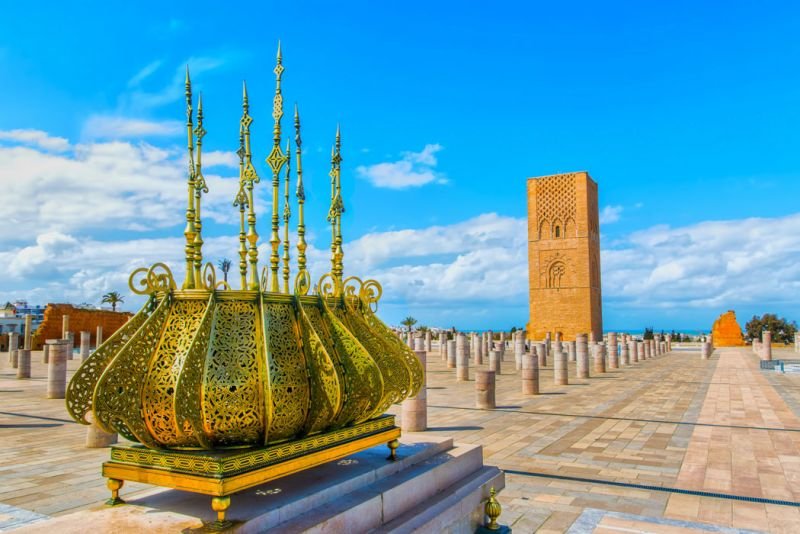
Hassan Tower
Description: An iconic minaret of an unfinished mosque dating back to the 12th century. History: Commissioned by Sultan Yacoub al-Mansour in 1195, the mosque was intended to be the largest in the world, but construction stopped after the Sultan’s death. Today, only the tower and incomplete walls remain.
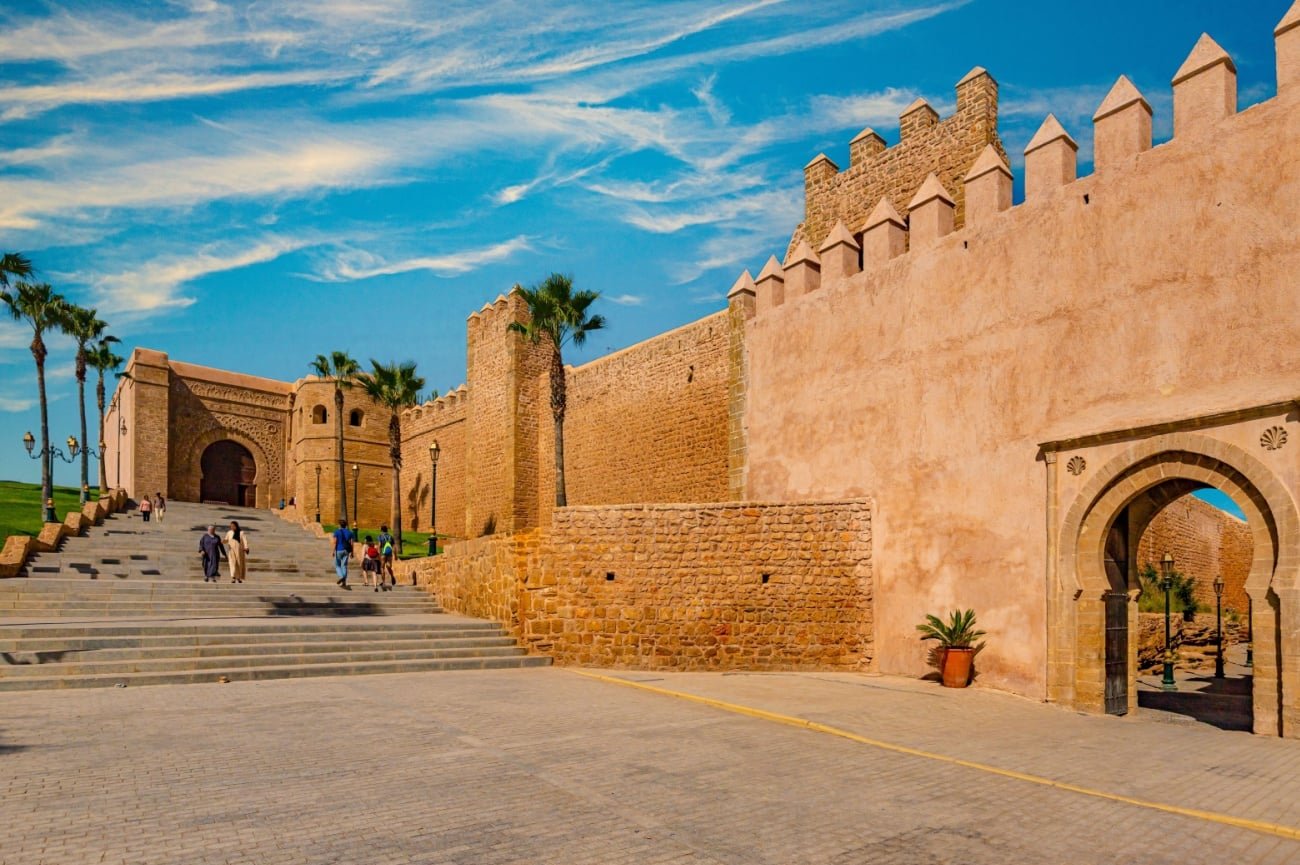
Kasbah of the Udayas (Kasbah des Oudaias)
Description: A picturesque fortress overlooking the Atlantic Ocean, featuring narrow blue-and-white streets. History: Built in the 12th century by the Almohads, it served as a defensive fortress. The kasbah now hosts a museum and offers stunning views of the Bou Regreg River.
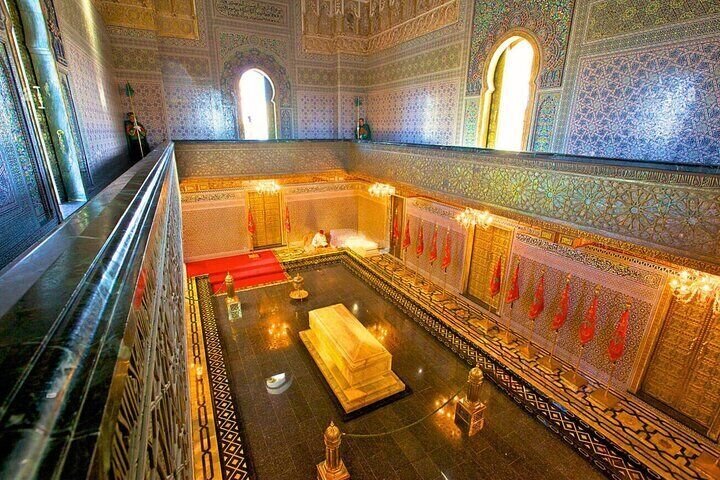
Mausoleum of Mohammed V
Description: A beautifully decorated mausoleum housing the tombs of King Mohammed V and his sons, King Hassan II and Prince Abdallah. History: Completed in 1971, the mausoleum is an important example of modern Alaouite architecture combined with traditional Moroccan design.
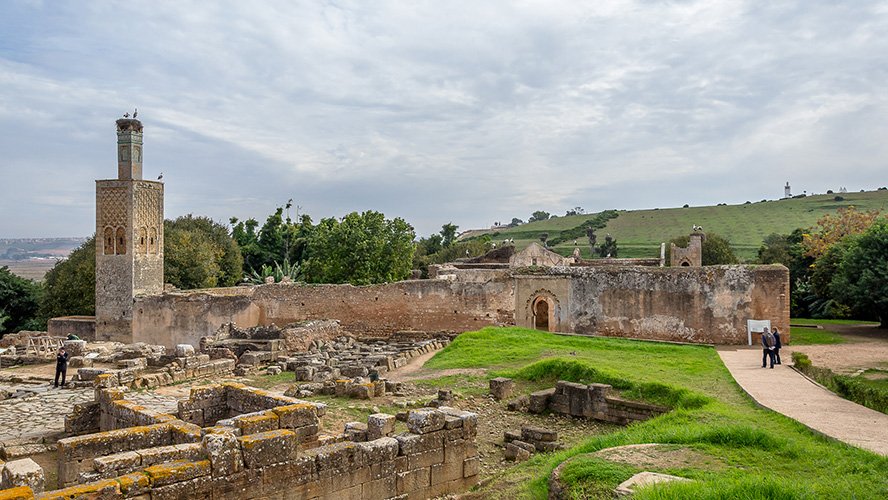
Chellah (Roman and Medieval Necropolis)
Description: A historic site featuring Roman ruins and a medieval Muslim necropolis. History: Originally a Phoenician settlement, later Roman, Chellah became a Muslim necropolis in the 14th century under the Marinid dynasty. Today, visitors can explore the ruins and the surrounding gardens.
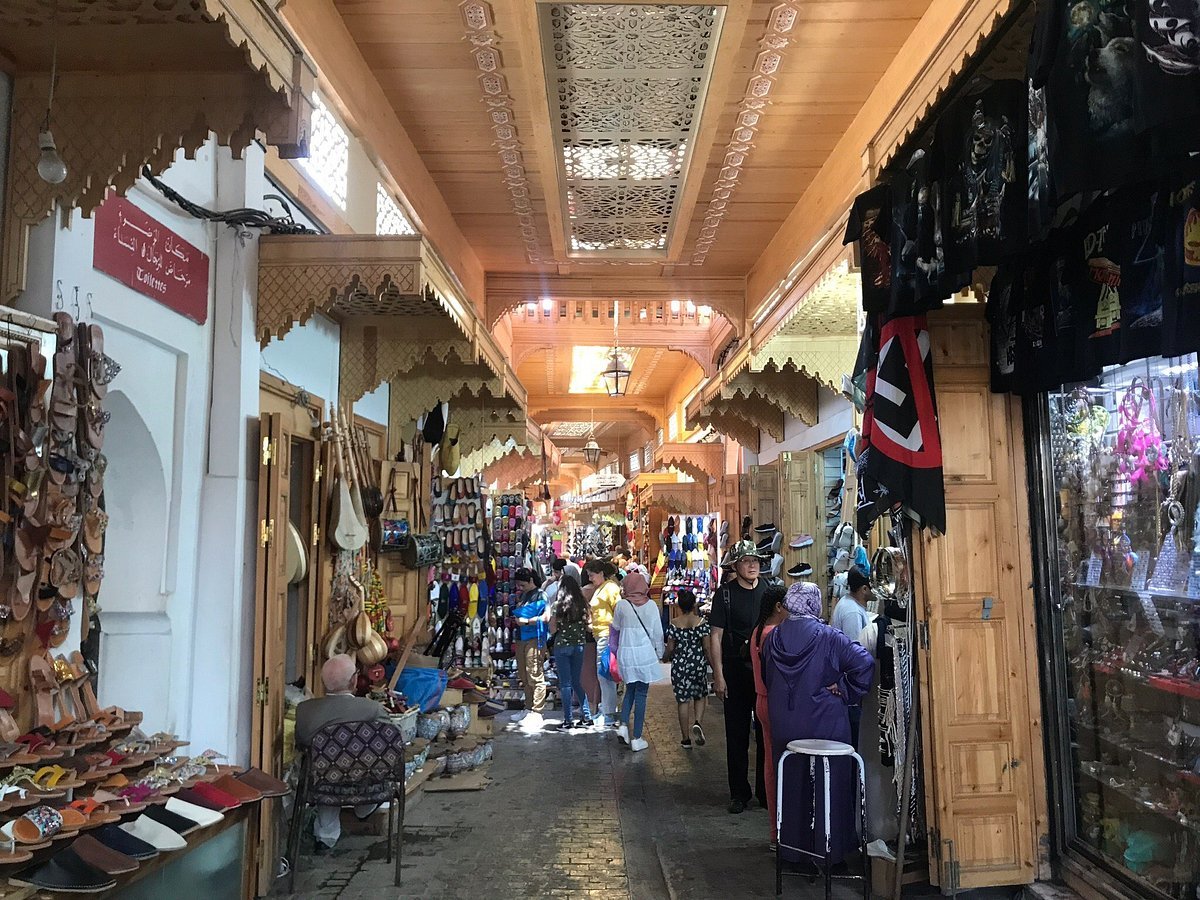
Rabat Medina
Description: The old town of Rabat, filled with narrow alleys, traditional shops, and historic buildings. History: Dating back several centuries, the Medina is a UNESCO World Heritage site. It reflects Moroccan architecture and culture, with bustling souks and artisan workshops.
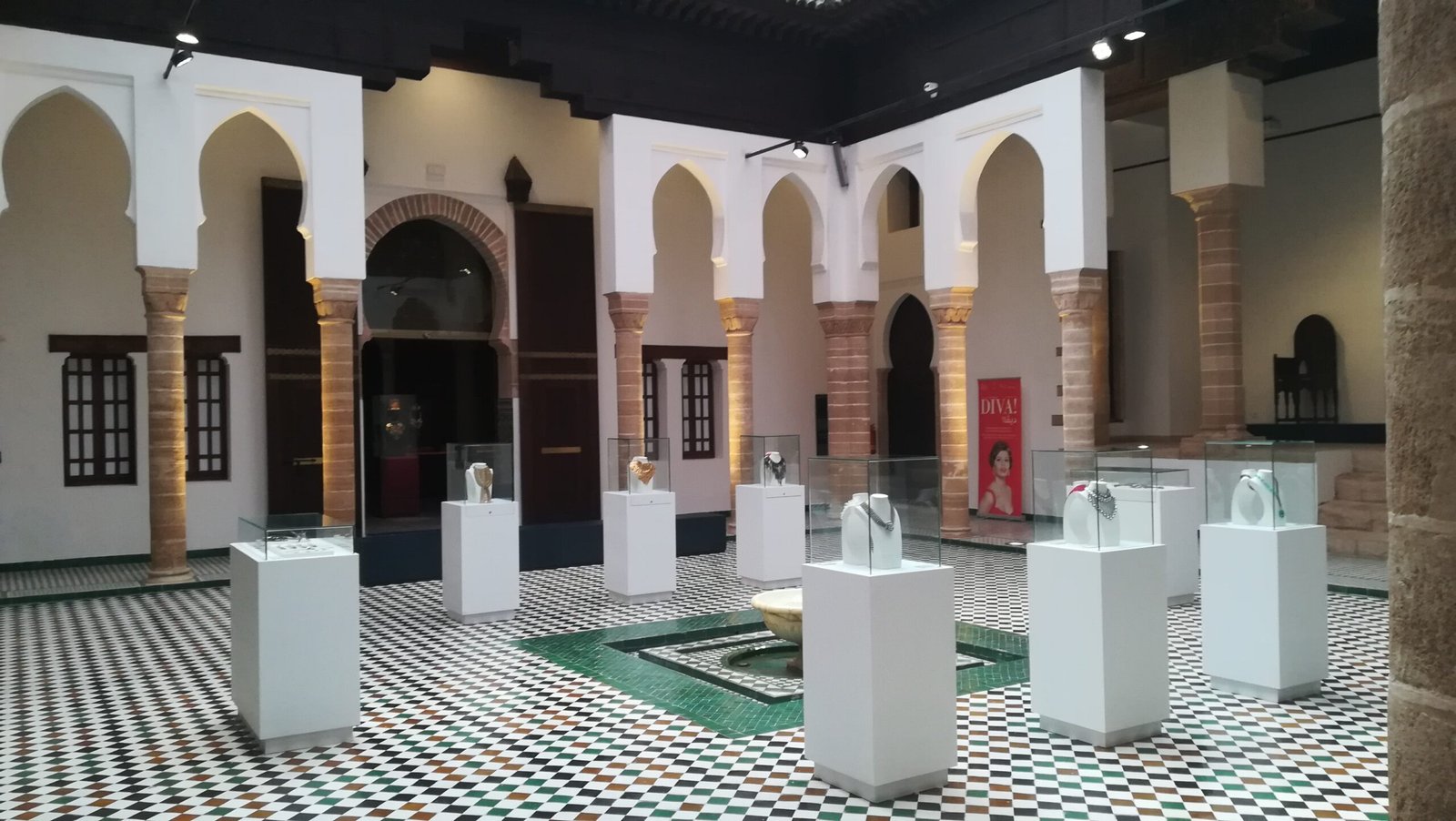
Oudayas Museum (Dar al-Makhzen)
Description: A museum located within the Kasbah of the Udayas showcasing Moroccan arts and crafts. History: Housed in a 17th-century building, it displays pottery, textiles, and traditional artifacts, highlighting the rich cultural heritage of Morocco.
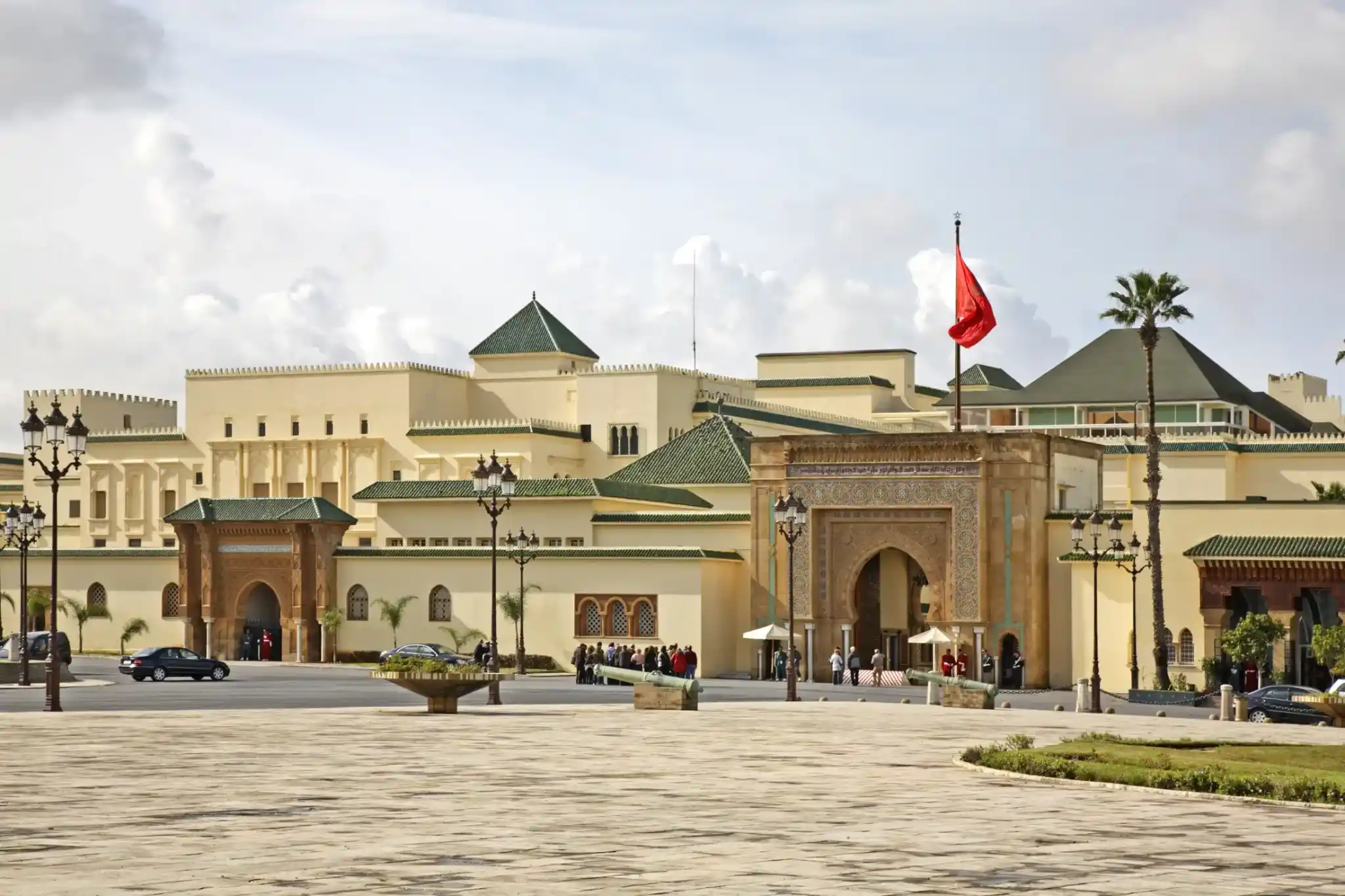
Royal Palace of Rabat
Description: The official residence of the King of Morocco, with grand architecture and well-kept gardens. History: Originally built in the 19th century and expanded over time, it is not open to the public but can be admired from the outside, symbolizing Morocco’s royal heritage.